
Black Friday 2026: 7 Paid Media Checks to Make Before Peak Season

With Black Friday just four weeks away, ecommerce advertisers should be well into their peak season preparations. Black Friday falls on Friday 27 November this year, followed by Cyber Monday on Monday 30 November, so there's still time to make meaningful improvements before the busiest shopping period of the year.
While much of the conversation around Black Friday focuses on increasing budgets and driving record revenue, successful peak season planning requires a broader commercial approach. Product availability, profit margins, promotional strategy and creative all play an important role in determining whether additional investment delivers profitable growth.
Here are seven areas I'd recommend reviewing across your paid media accounts before Black Friday.
1. Speak to Your Clients or Commercial Team
Before making changes in Google Ads or Meta, make sure you understand the wider business objectives for peak season.
Which products are being prioritised? What promotions are planned? Are there stock limitations or products with particularly strong margins?
It's also worth understanding whether the business is prioritising revenue, profitability, new customer acquisition or clearing existing stock. These objectives should influence how campaigns are structured, which products receive additional investment and how performance is measured.
There's little value in generating record revenue if the majority comes from low-margin products or items that the business cannot fulfil.
2. Review Last Year's Performance
Historical performance is one of the most useful starting points for Black Friday planning.
Review daily spend, revenue, conversion rates, ROAS and product-level performance across October, November and December. Look beyond Black Friday itself to understand when demand started increasing and how performance changed throughout the promotional period.

Some of the questions I'd be asking include:
Which days generated the most revenue and profit?
When did conversion rates begin to increase?
Which campaigns and products performed most efficiently?
Did additional spend generate incremental revenue?
How quickly did performance decline after promotions ended?
Use these insights to inform budget forecasts, promotional timing and campaign priorities. However, remember that historical performance is a starting point rather than a guarantee of what will happen this year.
3. Account for the Black Friday Calendar Shift
One important consideration for 2026 is the change in dates compared with last year.
Shopping event | 2025 | 2026 |
Black Friday | Friday 28 November | Friday 27 November |
Cyber Monday | Monday 1 December | Monday 30 November |
This means the entire Black Friday to Cyber Monday period falls within November in 2026, whereas Cyber Monday contributed to December's revenue in 2025.
For advertisers forecasting monthly budgets or comparing year-on-year performance, this is particularly important.
A stronger November this year may partly reflect the additional promotional day rather than genuine growth. Similarly, December could appear weaker without accounting for the calendar shift.
I'd recommend comparing equivalent promotional periods alongside calendar-month reporting to get a more accurate picture of performance.
4. Get Your Shopping Feeds in Order
For ecommerce advertisers running Shopping and Performance Max campaigns, feed quality should be a priority throughout the year, but especially ahead of peak season.
Start by reviewing Merchant Center for product disapprovals, missing attributes and any issues that could limit visibility.
Next, look at opportunities to improve product titles, descriptions and images, particularly for your best-selling and promotional products.
I'd also recommend reviewing your custom labels. These can be particularly useful for segmenting products by:
Profit margin
Stock availability
Best sellers
Promotional activity
Seasonal relevance
For example, if you're planning to increase investment in high-margin products during Black Friday, having this information available through custom labels makes it easier to manage those products separately.
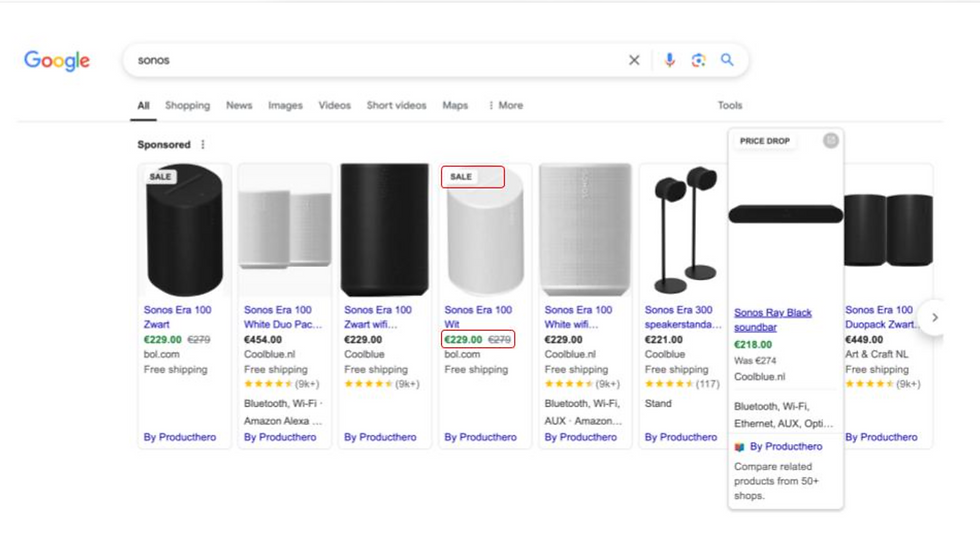
Finally, ensure your promotional prices and Merchant Center promotions are prepared ahead of launch so eligible offers can appear alongside your Shopping ads.
5. Prepare Your Meta Creative
Creative is one of the biggest areas of opportunity for Meta advertisers during peak season, and one of the easiest things to leave until the last minute.
Start by reviewing last year's strongest-performing creative. Which products, formats, offers and messages generated the best results?

Then work with your creative team or client to prepare this year's assets.
I'd recommend having a selection of promotional messages, product-led creatives and video assets ready to test before Black Friday.
Consider how your messaging will change throughout the promotional period. For example, early access offers may work well at the beginning of November, while urgency-led messaging becomes more relevant as promotions approach their end.
Make sure creative is aligned with the actual offers and products being promoted. There's little point advertising a strong discount if the featured products have limited availability.
6. Review Budgets and Bidding Strategies
Black Friday can create significant changes in demand and conversion rates, so it's important to understand how your bidding strategies and budgets will respond.
Start by reviewing whether campaigns are currently limited by budget and where additional investment could generate the greatest return.
For campaigns using automated bidding, consider whether your current CPA or ROAS targets are appropriate for the promotional period. If conversion rates are expected to increase, there may be opportunities to capture additional demand by adjusting targets.
However, avoid making unnecessary changes simply because Black Friday is approaching.
Google's automated bidding already accounts for many seasonal patterns, so seasonal bid adjustments should be considered carefully, particularly when you expect significant short-term changes in conversion rates that the system may not anticipate.
I'd also recommend preparing a flexible budget forecast rather than allocating the same daily budget throughout November. Use historical performance, promotional activity and current demand to identify when additional investment is most likely to be effective.
Remember that efficiency doesn't always mean maintaining the same ROAS. Depending on your commercial objectives, accepting a lower ROAS to acquire valuable new customers or increase total profit may be the right decision.
7. Plan Beyond Black Friday
Black Friday and Cyber Monday might attract the most attention, but there's still significant demand throughout December.
Review previous years' performance to identify opportunities around Christmas gifting, last delivery dates and post-Christmas sales.
For Search campaigns, consider updating ad copy to include delivery deadlines and relevant promotional messaging. Countdown ads can also be useful for communicating when offers or delivery windows are coming to an end.
It's equally important to monitor stock levels throughout peak season. If your best-selling products begin selling out, consider promoting suitable alternatives rather than continuing to direct traffic towards unavailable products.
Finally, plan what happens when Black Friday promotions finish. Budgets, bidding targets, promotional assets and landing pages may all need adjusting as conversion rates and consumer behaviour return to more typical levels.
Final Thoughts
Black Friday preparation should involve more than increasing budgets and updating promotional ads. The strongest results come from aligning paid media activity with wider business objectives, including product availability, profitability and customer acquisition.
With four weeks remaining, there's still an opportunity to review historical performance, improve feeds, prepare creative and ensure budgets are allocated effectively.
The priority should be making sure your campaigns are ready to capture additional demand efficiently, rather than simply spending more because it's Black Friday.




Comments